Essential Tips for Effective Moss Removal to Improve Your Outdoor Space
Moss can be a consistent problem in outside spaces, frequently growing in shaded and moist locations. Understanding the underlying sources of moss growth is important for efficient elimination and prevention. Recognizing the right techniques and devices is essential for tackling this problem. Furthermore, maintaining a healthy and balanced exterior environment can significantly minimize the possibilities of moss returning. Checking out effective approaches can transform disregarded locations right into vibrant landscapes. What steps can one take to ensure long-term results?
Comprehending the Sources Of Moss Growth
Although moss can include an attractive high quality to landscapes, its growth usually suggests underlying concerns in the setting. Usually, moss thrives in wet, shaded locations where sunlight is limited, producing a suitable environment for its proliferation. Poor water drainage and compacted dirt add considerably to its spread, as these problems retain moisture and inhibit proper water drainage. Furthermore, acidic dirt can favor moss over better plants, causing imbalances in the community. High moisture and regular rainfall additionally worsen the issue, allowing moss to flourish where various other plants battles. Absence of competition from lawn grasses can also help with moss growth, especially in overlooked locations. In general, recognizing the root causes of moss development is crucial for reliable management and elimination, making certain that outdoor rooms can go back to their desired aesthetic and ecological feature. Resolving these underlying issues is necessary to prevent future moss infestations.
Determining Locations Prone to Moss Build-up
Identifying areas prone to moss build-up is vital to reliable management and avoidance. Moss prospers in settings that perspire, shaded, and have poor water drainage. Locations under trees or thick shrubs commonly experience low sunlight, creating optimal conditions for moss development. Additionally, areas with compressed soil, such as paths or greatly trafficked lawns, may preserve dampness, more advertising moss proliferation.
Moreover, poorly draining surfaces like concrete or asphalt can also come to be moss hotspots, specifically in shaded spots. Property owners ought to consistently evaluate their outdoor areas, trying to find indications of moss on roofs, patios, and garden beds. Recognizing these locations permits aggressive procedures to be taken, such as improving sunlight direct exposure, improving drain, or readjusting landscape design. By recognizing these at risk areas, people can better plan for and avoid future moss concerns, ultimately resulting in a much healthier and extra aesthetically pleasing exterior room.

Effective Moss Elimination Methods
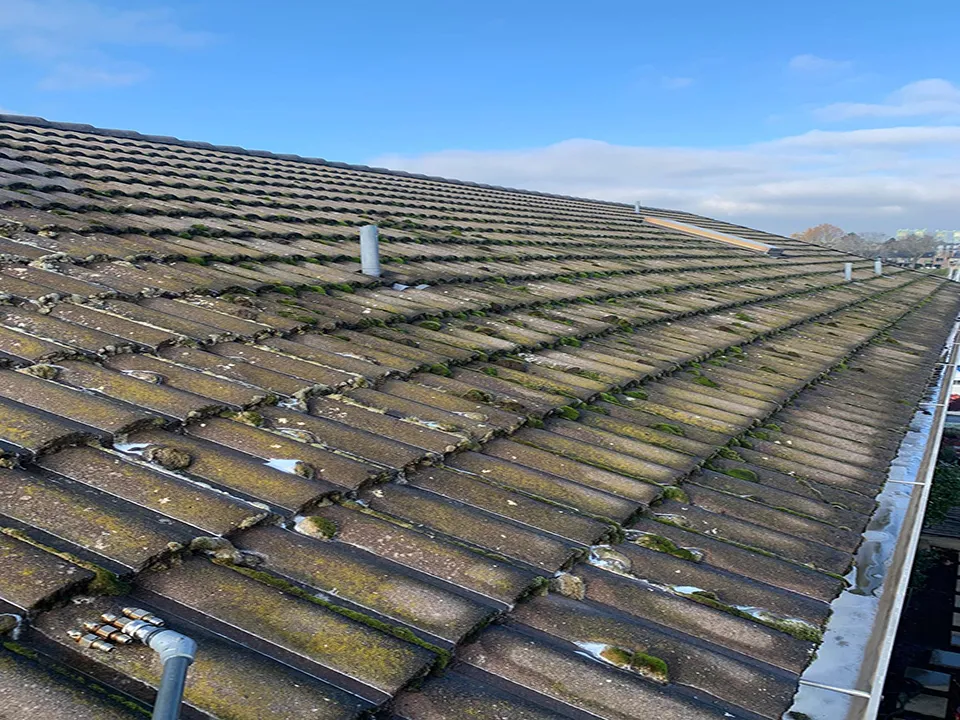
Removing moss efficiently needs a mix of strategies customized to the details surfaces and conditions where moss has actually held. For hard surfaces such as driveways and patio areas, a pressure washer can be very reliable, blowing up away moss without damaging the underlying material. When handling softer surfaces like roofs or wood decks, a gentler technique is necessary; utilizing a soft-bristle brush and a blend of vinegar and water can assist dislodge moss without creating injury.
Avoiding Future Moss Development
To prevent future moss development, it is vital to enhance sunlight exposure and enhance drain systems. Boosting sunshine can prevent moss from growing in shaded locations, while effective drain lessens dampness accumulation. Carrying out these methods can create a setting much less conducive to moss expansion.
Enhance Sunlight Exposure
How can increasing sunshine exposure successfully fight future moss growth? By allowing extra sunlight to reach shaded locations, property owners can significantly hinder the optimal problems that moss prospers in. Moss usually embellishments in dark, moist atmospheres; therefore, boosting light availability can disrupt its life cycle. Strategic tree trimming or removal might be essential to improve sunlight in influenced areas. Additionally, the usage of reflective surfaces, such as light rocks or patio products, can further improve light infiltration. Frequently keeping track of and keeping garden health also ensures that sunshine can get to the ground efficiently. Implementing these steps not just minimizes the chance of moss regrowth yet also promotes a much healthier, more vivid outdoor room.

Boost Drainage Systems
Efficient drainage systems play a necessary role in stopping future moss growth in domestic landscapes. When water collects in specific locations, it develops a moist setting for moss expansion. To enhance drainage, homeowners should assess their landscape for low-lying locations and consider setting up French swales or drains to reroute excess water. Normal maintenance, such as clearing rain gutters and downspouts, will certainly likewise promote effective water flow. Additionally, making sure that dirt is well-aerated can boost absorption and lower water pooling. Planting drought-resistant vegetation can further minimize wetness retention, creating a negative environment for moss. By dealing with drain issues proactively, property owners can greatly decrease the possibility of moss taking hold and keep a healthier, much more vivid outdoor area.
Choosing the Right Products for Moss Control
When selecting products for moss control, property owners have to evaluate the advantages of natural versus chemical services. Each alternative offers unique advantages and potential disadvantages, influencing effectiveness and environmental impact. Additionally, understanding numerous application approaches can assure perfect cause moss removal initiatives.
Natural vs. Chemical Solutions
While both chemical and natural remedies provide practical options for moss control, the choice often depends on individual choices, ecological factors to consider, and the severity visit homepage of the moss issue. Natural options, such as vinegar, baking soft drink, or salt, are typically preferred for their eco-friendliness and low toxicity. They can efficiently hinder moss growth without damaging surrounding plants or soil health and wellness. Alternatively, chemical options often tend to be more potent and can give quicker results, making them ideal for extreme problems. They might position threats to non-target organisms and the setting if mistreated. Eventually, the decision between chemical and all-natural items should mirror a balance of effectiveness, safety and security, and the overall influence on the outdoor space.
Application Approaches Explained
Picking the appropriate items for moss control entails understanding the various application approaches offered. Property owners can select between granular, fluid, and foam products based upon their preferences and the particular location influenced by moss. Granular remedies are normally topped the moss-infested location, permitting gradual absorption and efficiency. Liquid treatments, usually applied with a sprayer, offer prompt insurance coverage and infiltration, making them suitable for larger areas. Foam items give targeted application, which can be valuable for intricate surface areas like roof coverings or walls. Furthermore, variables such as weather and surface kind must be taken into consideration when picking an approach. Eventually, understanding these strategies makes it possible for efficient moss control, guaranteeing a much healthier and a lot more enticing exterior area.
Keeping a Healthy And Balanced Outdoor Area After Elimination
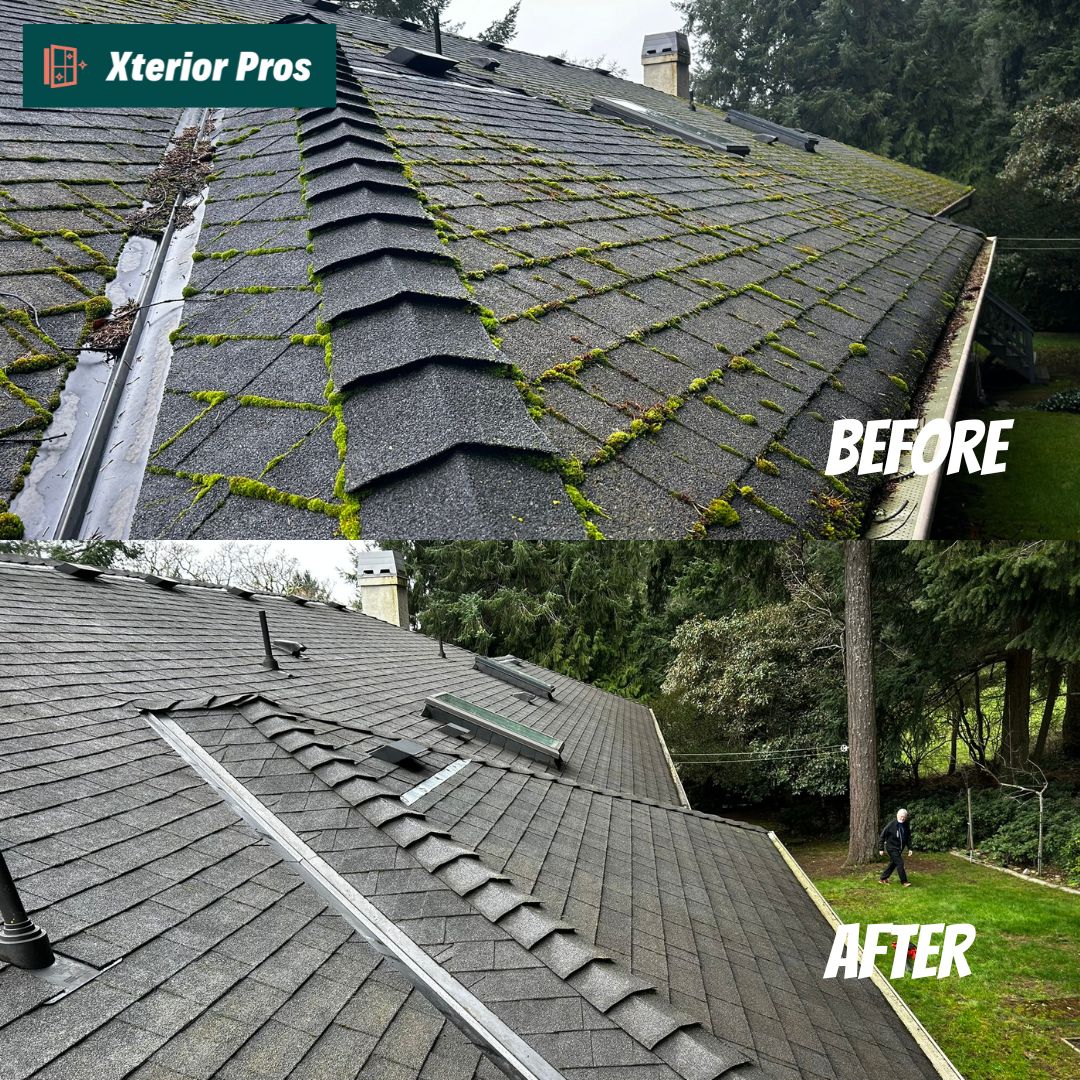
After moss removal, it is click for info necessary to apply effective maintenance methods to ensure the outdoor space stays vivid and healthy and balanced. Routine yard treatment is vital; mowing at the appropriate height promotes turf health and wellness and dissuades moss regrowth. Furthermore, making certain ample sunshine gets to the lawn and yard areas is critical, as moss thrives in shaded atmospheres.
Soil health ought to also be focused on. Testing dirt pH and nutrient levels can guide ideal changes, fostering a durable ecosystem. Appropriate drain is an additional vital aspect; dealing with any merging water can stop moss from improving itself.
Frequently Asked Inquiries
Can Moss Be Beneficial for My Garden or Landscape?
Moss can be valuable for yards and landscapes by providing ground cover, maintaining dampness, and improving soil high quality. It additionally cultivates biodiversity, using environment for little microorganisms and boosting the overall aesthetic appeal of outside areas.
For how long Does It Take for Moss to Regrow After Removal?
Moss can regrow within a few weeks to a number of months after elimination, depending on ecological problems like dampness, color, and dirt high quality. Routine maintenance is vital to avoid rapid reestablishment in affected locations.
Is Moss Removal Hazardous to Bordering Plants or Wild Animals?
Moss removal can possibly harm bordering plants and wildlife, specifically if chemical therapies are used. Hand-operated removal, however, usually presents minimal threat, though treatment needs to be required to avoid troubling nearby plant life and environments during the process.
What Season Is Best for Moss Removal?
The finest time for moss elimination is normally in very early springtime or late fall. Throughout these seasons, temperature levels are moderate, and wetness degrees can aid assist in the removal process while lessening tension on bordering plants.
How Can I Inform if Moss Is Dead or Just Dormant?
To figure out if moss is dead or dormant, one need you could check here to check its shade and texture. Healthy and balanced moss appears environment-friendly and vibrant, while dead moss has a tendency to be brownish and brittle, lacking wetness and flexibility.
Usually, moss grows in wet, shaded areas where sunlight is restricted, creating an optimal environment for its spreading. Removing moss successfully calls for a mix of strategies customized to the specific surfaces and conditions where moss has taken hold. Increasing sunlight can deter moss from thriving in shaded locations, while reliable water drainage decreases dampness buildup. By permitting a lot more sunshine to reach shaded locations, house owners can substantially prevent the excellent problems that moss grows in. While both all-natural and chemical services provide practical options for moss control, the choice often depends on specific choices, environmental considerations, and the severity of the moss problem.